Free quotes for EV chargers from
trusted installers
We’ve partnered with the leader in the industry, SolarQuotes, to make sure you get the best quotes, installers and experience when sorting EV chargers at your place.
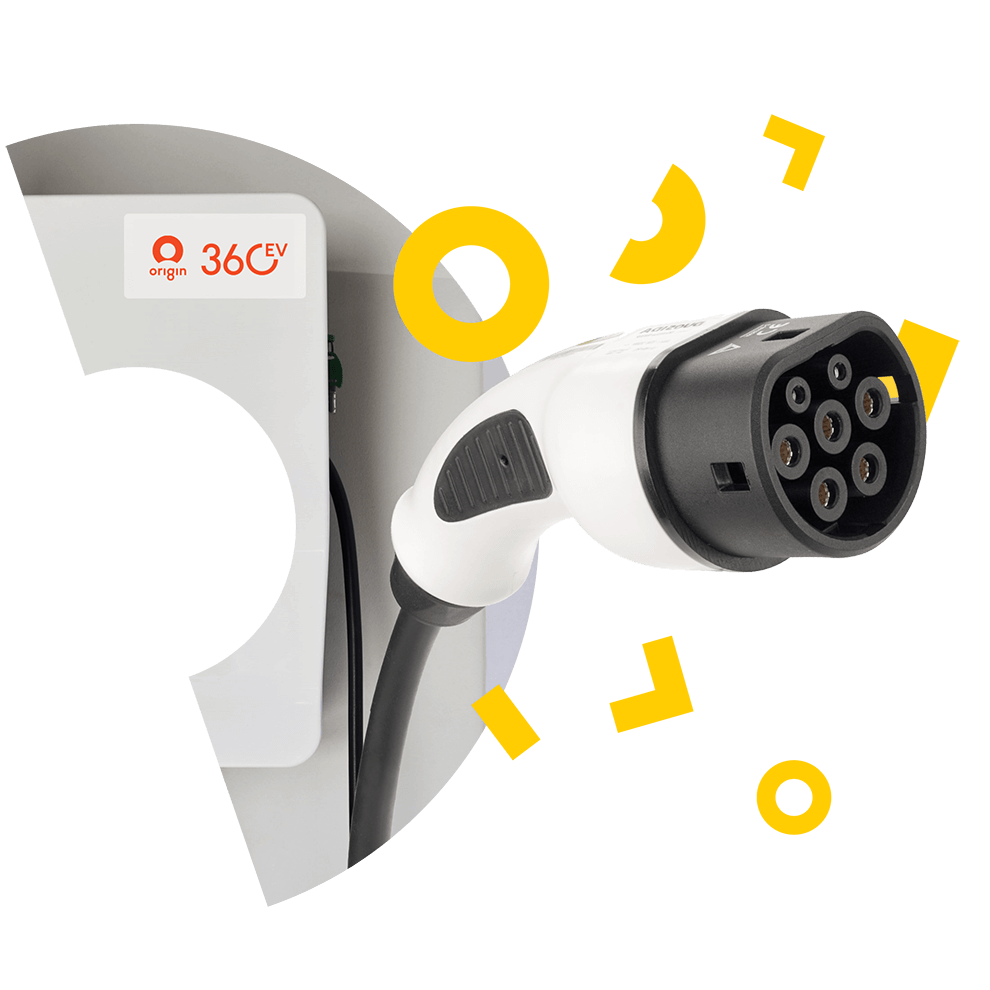
Only the best with SolarQuotes
Origin Energy proudly partners with SolarQuotes, a leader in the home energy industry. Join over 800,000 Aussies who have requested quotes from SolarQuotes – you can get up to 3 obligation-free quotes from hundreds of fully vetted, top-rated installers.
10,000+ Australian 5-star reviews

A network of over 550 qualified, trusted installers

SolarQuotes Good Installer Guarantee
Origin and our partner SolarQuotes will help guide you through the process of getting EV chargers sorted at your place. Find out more about SolarQuotes via their website.
What happens next?

Just click ‘Get my quotes’ and you’ll be taken to the SolarQuotes online form. It’ll only take about 5-10 mins to complete.

SolarQuotes will arrange your quotes and help you directly with the process of getting an EV charger sorted at your place.

SolarQuotes will arrange your quotes and help you directly with the process of getting an EV charger sorted at your place.
How to charge an electric vehicle at home
An EV can be charged as easily as a mobile phone. However, not all EVs and not all chargers are created equal. A dedicated electric vehicle charger can power your vehicle 3–10 times faster* than a basic EV charging cable. Here’s the breakdown:
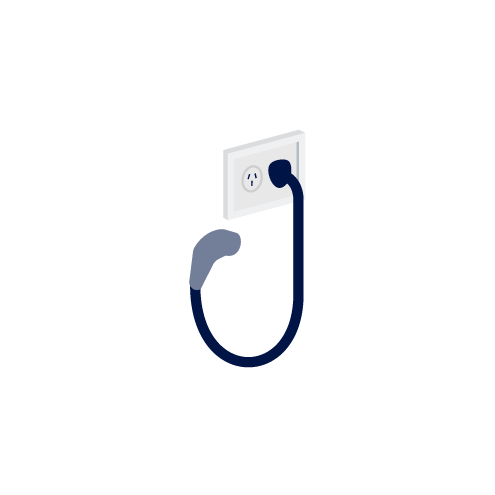
Portable charger 2.4kW
Level 1 charging via a cord plugged into a standard household wall socket.
Time to add 100 km of range: 8 hrs
Range from 10 mins of charging: 4 km
 Mobile EV chargers or Level 1 home charging systems provide AC trickle charging, and often come as standard when you purchase an electric vehicle.

Wall charger 7.4kW
Level 2 charging via a dedicated charging station connected to single phase power.
Time to add 100 km of range: 2.5 hrs
Range from 10 mins of charging: 7 km
Installing a Level 2 charger at home can deliver up to 3x faster charging speeds; that’s equivalent to a full charge overnight for most EVs.

Wall charger 22kW
Level 2 charging via a dedicated charging station connected to three-phase power.
Time to add 100 km of range: 45 min
Range from 10 mins of charging: 22 km
Installing a 3-phase charging station at home ensures a stable and more optimised EV charging solution, and can offer up to 10x more charging speed.
Based on estimated figures assuming a vehicle efficiency of 19kWh/100km. Actual charging speeds may vary depending on vehicle model, household electricity supply, charger installation requirements, government regulations and other environmental factors.

Looking to drive an electric car?
Discover our electric vehicle subscription plans for business or personal use. Our salary packaged Origin EV Subscription and Origin 360 EV Flex Plan for business come with an all-inclusive package1, month-to-month or longer-term fixed plans, and access to a huge range of vehicles, including Tesla, BYD, BMW, Kia, MG, Volvo, Xpeng, Zeekr and more!
Get started
We’re partnering with SolarQuotes to get you access to up to 3 quotes for EV chargers, from trusted installers across Australia. It’s free and without obligation.
Electric vehicle charging FAQs
Interested in getting an EV but worried about when, how and where to charge an electric car in Australia? Here’s a little more information on the different types of electric chargers, charging rates, energy costs and the potential savings you could make.
What plug type does my electric vehicle use?
There are several types of electric vehicle charging connectors. The two main EV charging sockets are often referred to as Type 1 and Type 2 EV plugs. Earlier EV models, such as Nissan and Mitsubishi, use a Type 1 plug.
However, for home charging most electric cars in Australia now use a Type 2 plug for charging. The Type 2 connector features a 7-pin design and is compatible with both single-phase and three-phase power systems.
Find out which EV plug your car uses from your car manual or manufacturer. If you’re not sure, just give us a call and our EV specialists will be able to help.
What is the difference between AC and DC charging?
There are two kinds of electrical sources that can be used to power your electric vehicle – Alternating Current (AC) and Direct Current (DC). Most modern EVs can be charged used both AC and DC power.
Power that comes from the electricity grid is always Alternating Current (AC). This means that all home chargers, both portable cables and dedicated wall chargers, will use AC power to charge your vehicle. How fast you’ll be able to charge your vehicle will depend on the kind of EV charger you use and whether you’re on a single-phase or three-phase power at home.
Direct Current (DC), also known as DC fast charging, provides significantly faster charging compared to AC charging. DC will take between 15 to 45 minutes to charge most electric vehicles up to 80 percent. However, DC fast charging is only available at public charging stations and dedicated rapid charging stations around Australia.
If you’re looking for fast charging at home, then a dedicated Level 2 charger would be a great option. It can charge your vehicle up to 3-10 times faster* than a basic AC charging cable. Request an EV charger and installation quote from Origin now.
Can all electric cars be charged at home?
Yes – all EVs come with an AC charging port that’s suitable for home EV charging. You can use a portable charging cable or install a fast charger at home.
The dedicated EV chargers which Origin supply can charge most electric cars in Australia, including Audi, BMW, BYD, Hyundai, Jaguar, Kia, Land Rover, Lexus, Mazda, Mercedes-Benz, Mini Cooper, Mitsubishi, MG, Nissan, Polestar, Porsche, Renault, Tesla and Volvo.
If you’re not sure, speak to one of our team to confirm if your vehicle is compatible.
How much does it cost to charge an EV at home?
How much it’ll cost to charge your EV at home depends on your contract and electricity rates with your current energy retailer.
If you install an EV charger from Origin and sign up for an Origin electricity plan, you can easily monitor your energy usage right from the Origin app. Simply request an EV charger and installation quote or compare energy plans for your address.
How much power does an EV charger use?
The electric vehicle charger that Origin provides has a max power of 32 amp, which can add a significant load to your household’s electrical circuit.
Using an EV charger while running multiple appliances at once (such as an induction stove or air conditioning) may overload your electrical circuit and cause your switchboard to trip. Always read the user manual and follow the manufacturer’s guidelines.
Should I charge my electric car every night?
While you can safely charge most EVs on a daily basis, the average EV driver tends to charge their cars once every few days. Of course, this depends on how far you travel each day and your driving habits. Some drivers might opt for a full charge overnight while others prefer to top up while on the go.
Always follow your vehicle manufacturer’s instructions for charging.
Where is the best place to install a home EV charging station?
It’s important to install your EV charger where it is safe and convenient to do so. We recommend installing your electric car charger under cover or in a garage, but it can also be placed outdoors if required.
In Australia, dedicated EV chargers must be installed by a licensed electrician or qualified technician. You must not attempt to install your own electric vehicle charger at home. Standard professional installation is included when you purchase an EV charger from Origin.
Our EV specialist will work with you to determine the best location for your EV charger based on our installation requirements. We’ll provide guidance on where to set up your charging point and do our best to accommodate your preferences and needs.

We also provide EV chargers for
- Small and medium business
- Apartment building residents
- Property and building managers (see EV ready building services)

Want to know more?
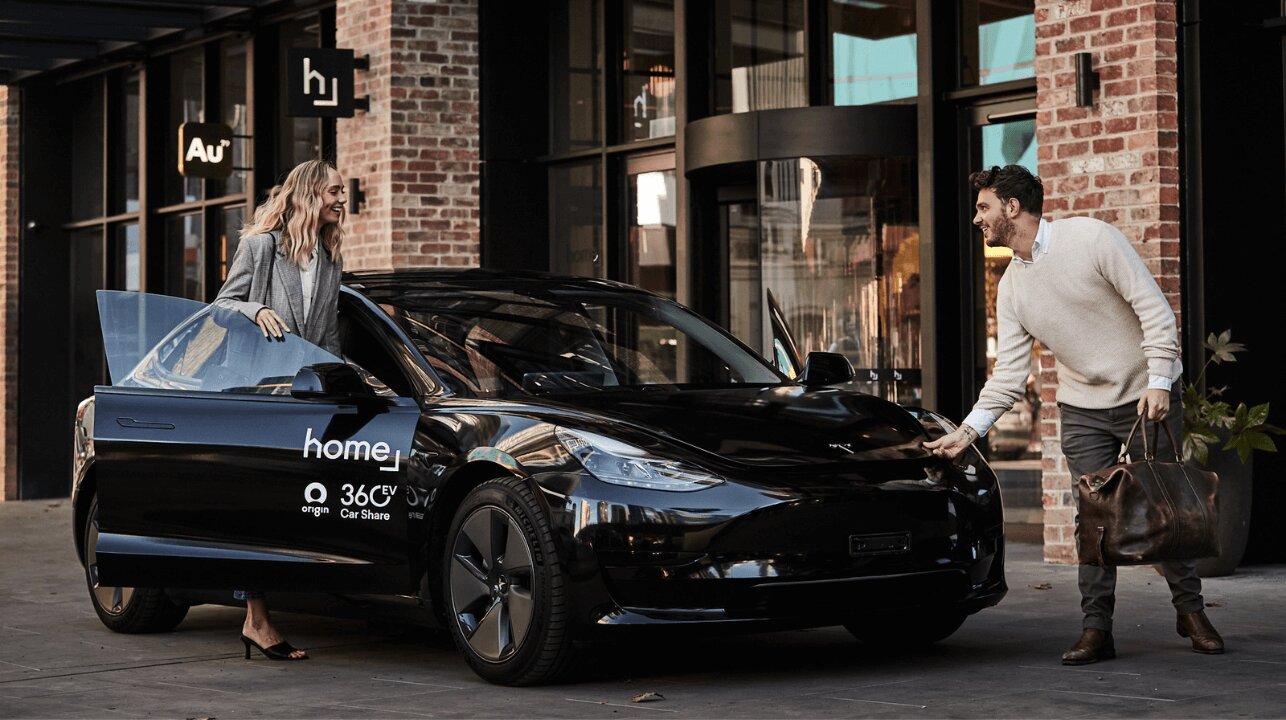
What’s new with Origin 360 EV
We’re passionate about driving the uptake of EVs in Australia through our partnerships, trials, charging products and business solutions.
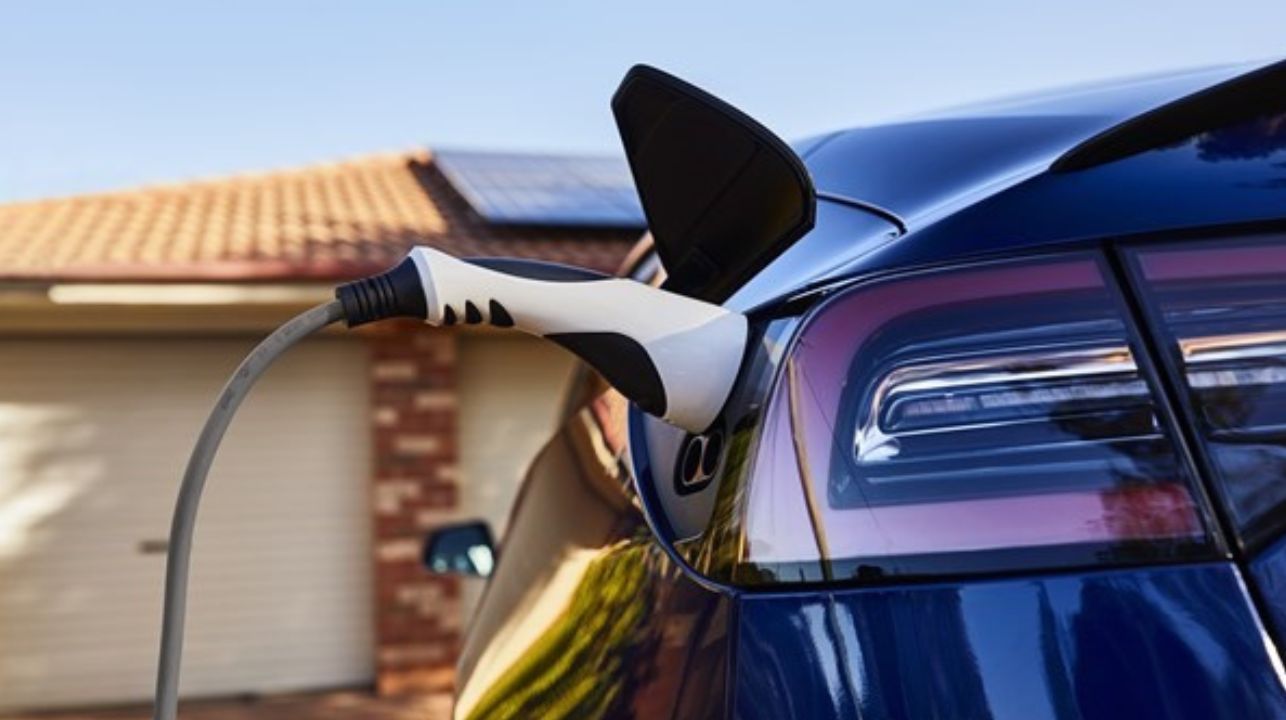
It’s time to take charge
From charging methods to operating costs, our EV expert breaks down everything you need to know about EV charging.
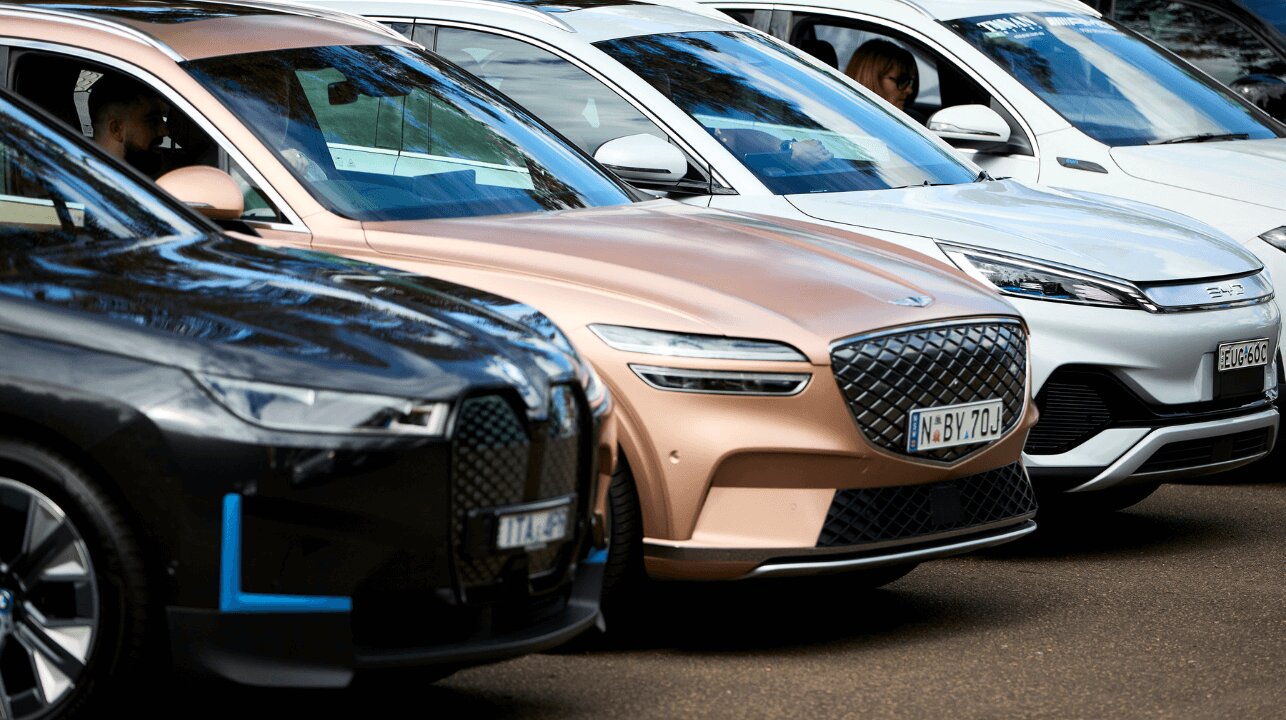
The real cost of EV ownership
Once you factor in fuel, servicing and running costs – EVs are a pretty compelling option. See how much you could save when you switch.
 Have a question or need some help? Email emobility@origin.com.au and our team will be in touch.
Important information
EV charger power demand
The electric vehicle charger that Origin provides has a max power of 32 amp, which can add a significant demand on your property’s power supply. Depending on the electrical capacity of your property, using an EV charger while multiple appliances are operating (such as an induction stove or inverter air conditioner) may overload your electrical circuit and cause your switchboard to trip.
If this happens, switch off the EV charger and home appliances, then reset your home circuit breaker. If the switchboard consistently trips, Origin recommends limiting the use of the EV charger during high energy usage times.
+Monitoring usage via the Origin app
Tracking your smart charger’s energy usage is only available to eligible Origin electricity customers via the Origin app. Ask our EV specialists about smart charging or browse our electricity plans now.
^22kW electric car charging
22kW charging speeds require a three-phase power system at your installation location. We provide 7.4kW chargers for homes or businesses with single-phase power systems. Not sure if you’re on single or three-phase power? Just request a quote and our EV specialists will recommend a charger that fits your installation requirements and charging needs.
*Up to 10x faster charging speeds
A dedicated Level 2 electric car charger installed to a three-phase power system can offer up to 10X faster electric vehicle charging speeds when compared with trickle charging from a standard power outlet. Actual charging speeds may vary depending on vehicle model, household electricity supply, charger installation requirements, government regulations and other environmental factors.
EV subscription plans
Financial advice
The content provided is general and has not taken into account your objectives, financial situation or needs. Origin recommends that you seek your own independent legal, financial and tax advice when making any decisions in respect of the appropriateness of the Origin EV Subscription or Origin 360 EV Flex Plan for your circumstances.
EV subscription inclusions1
With an Origin EV Subscription or Origin 360 EV Flex Plan, customers will receive registration, comprehensive insurance, servicing, roadside assistance, tyre replacement for wear and tear and a mobile EV charger cable. On-site and at-home EV charging or public charging costs, and electricity used for electric vehicle charging are not included.