Solar costs to think about
Not sure if solar is the right investment for you? Check out some considerations to help you weigh up the benefits and costs.

Quick summary
- Solar system costs can vary widely, depending on many things including the system size and brand, your property type and meter requirements, plus more
- Get up to three free quotes from our partner, SolarQuotes. Getting a quote is free and without obligation+
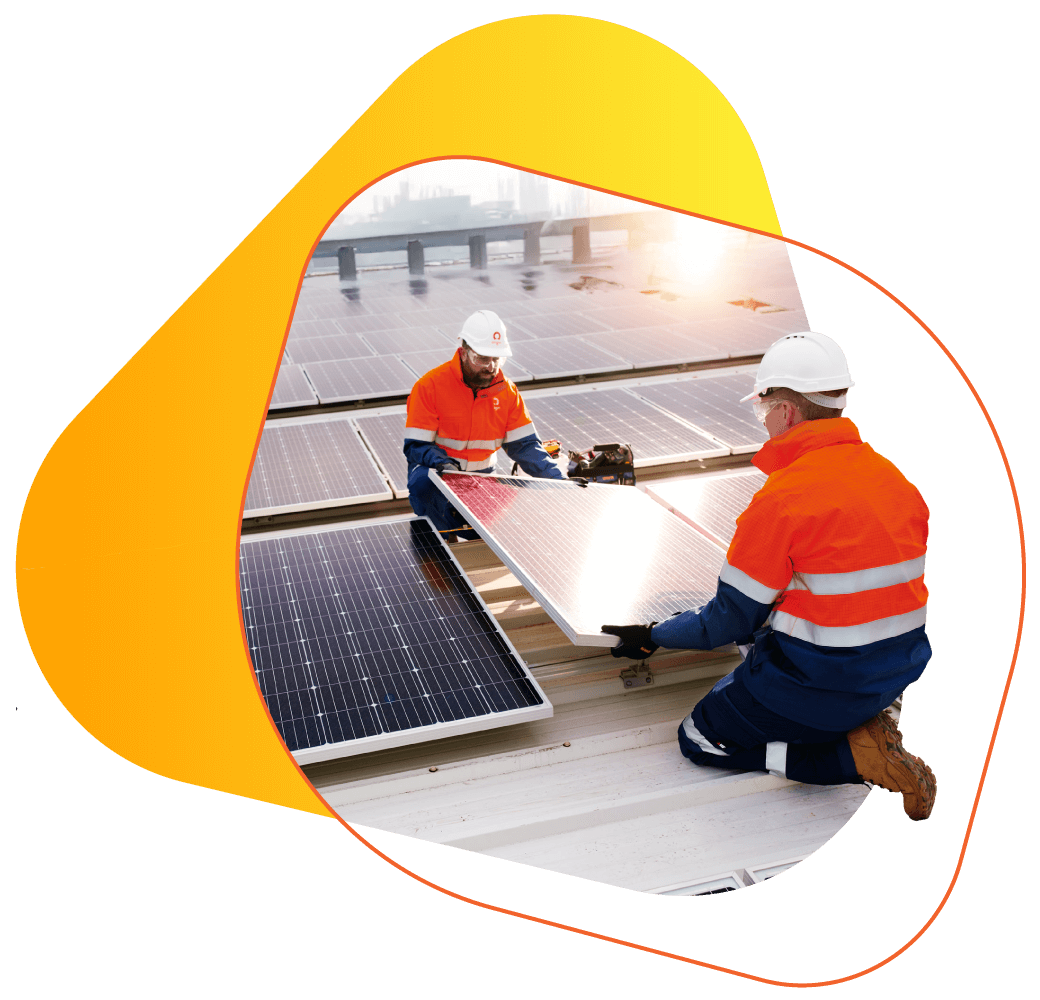
- Your chosen solar installer can assist to assess your property including your roof size and angle, best spots to place your new solar panels, check your metering and more.
What influences the cost of solar power?
There’s no ‘one size fits all’ price for installing solar panels because all properties are different. The following things all play a factor in the cost to install solar in Australia:
System size: The larger the solar panel system, the higher the cost. But that doesn’t mean you should look for a smaller system – to get the most out of your solar, you should consider how much electricity you need to generate which depends on your energy consumption now and in the future.
Type of solar panels: Solar panels can be made of different materials such as monocrystalline, polycrystalline, and thin film which can change the cost.
Property type: The type of property you have, for example a house, townhouse, unit, multi-storey apartment complex, factory or farm, will impact the complexity of the installation. In some cases, such as if you live in an apartment building with a body corporate, you may need extra checks and approvals before solar can be considered.
Roof type: Your roof angle and available roof space plus your roof material (colourbond, tile, tin etc) can add to the complexity of your solar installation.
Metering requirements: To support your solar system, your property’s wiring and metering will need to be checked and if required, upgraded, which can add to the cost.
Brands: Higher quality equipment may come with a higher price tag, but it may end up being more efficient and last longer, making it a worthwhile investment in the long run.

You should also consider ongoing costs such as:
Maintenance and cleaning: To ensure your solar system is working efficiently, it’s recommended that solar panels are cleaned every 6-12 months.
Batteries: Do you want to add a battery storage system in the future, to be able to use stored energy during the evenings? This will add additional costs, but also additional benefits for your solar system.
Are solar panels worth the investment?
You’ll need to decide if solar panels are right for you and your circumstances, budget and energy usage. A solar system can prove to be a worthwhile investment with many benefits including:
- Lower energy bills: Solar panels can reduce your energy bills and provide long-term savings.
- Increased property value: Homes with solar panels can have a higher property value compared to homes without.
- Financial incentives: There may be federal, state, and local incentives and rebates available to help offset the cost of solar panels.
- Environmental benefits: Solar energy is a clean and renewable energy source that can reduce your carbon footprint.
- Energy independence: With solar panels, you can reduce your dependence on the grid and be more self-sufficient. It’s also the first step in electrifying your home.
Understanding your energy use
Before you choose a solar system, it’s best to understand your current energy use. You can do this by checking your electricity bill plus you can find out more about energy prices.
Origin electricity customers can also check out the Origin app which displays your electricity usage patterns by billing period, month, day, and even by hour. This is useful to help think about when you use the most electricity.
It’s also important to consider your future energy needs – for example, are you planning to install air-conditioning, large appliances or a pool at your property? This will increase your energy use and the size of the solar system you may need.
We can help! You can arrange up to 3 free quotes from our partner, SolarQuotes, and they’ll connect you with a network of over 550 qualified, trusted installers who can assist with understanding your needs. Then simply choose a quote and installer you’re happy with, and arrange the works.
Feed-in tariff
A feed-in tariff (FIT) is what you can earn back on your electricity bill when your solar system generates more energy than your household uses. Any leftover energy gets “fed back” into the electricity grid – and you get paid a FIT.
How can I get solar?
In 5 to 10 minutes, you can be on your way to getting up to 3 free solar, battery, heat pump or EV charging quotes for your property through our partner, SolarQuotes. With more than 10,000 five-star reviews and a network of over 550 qualified, trusted installers, you can join 800,000+ Aussies who have requested quotes from SolarQuotes.
It’s free and without obligation+


Not sure where to start?
Take your first step with our Home Assessment Tool, where you’ll get a personalised plan so you can move at your own pace.
Find an estimate of your future costs and potential savings – plus a checklist to help you with every step – in under 10 minutes.
Who made the Best Solar Panels 2025 list?
Find out the best panel brands according to 161 installers surveyed by SolarQuotes. Reveal the winners>
SolarQuotes is Australia’s top solar website with over 15 years’ experience providing transparent, honest and independent advice on all things solar.
Important information
+ SolarQuotes is an Origin Group company, and Origin receives a commission from them for each referral