Electric vehicles overview
Heard about EVs but not really sure about them? Find out the basics.
Quick summary
- Electric vehicles (EVs) are cars that run on electricity rather than petrol or diesel fuel
- EVs use electric motors that are powered by batteries, which store energy that the car draws on as ‘fuel’
- As battery technology advances and charging network expands, EVs are expected to become more and more popular
More Aussie drivers are going electric, with many people considering EVs when looking to buy a new car. In fact, EV sales have increased by 150% over two years from 2022 to 2024, according to an Electric Vehicle Council report.
EV basics
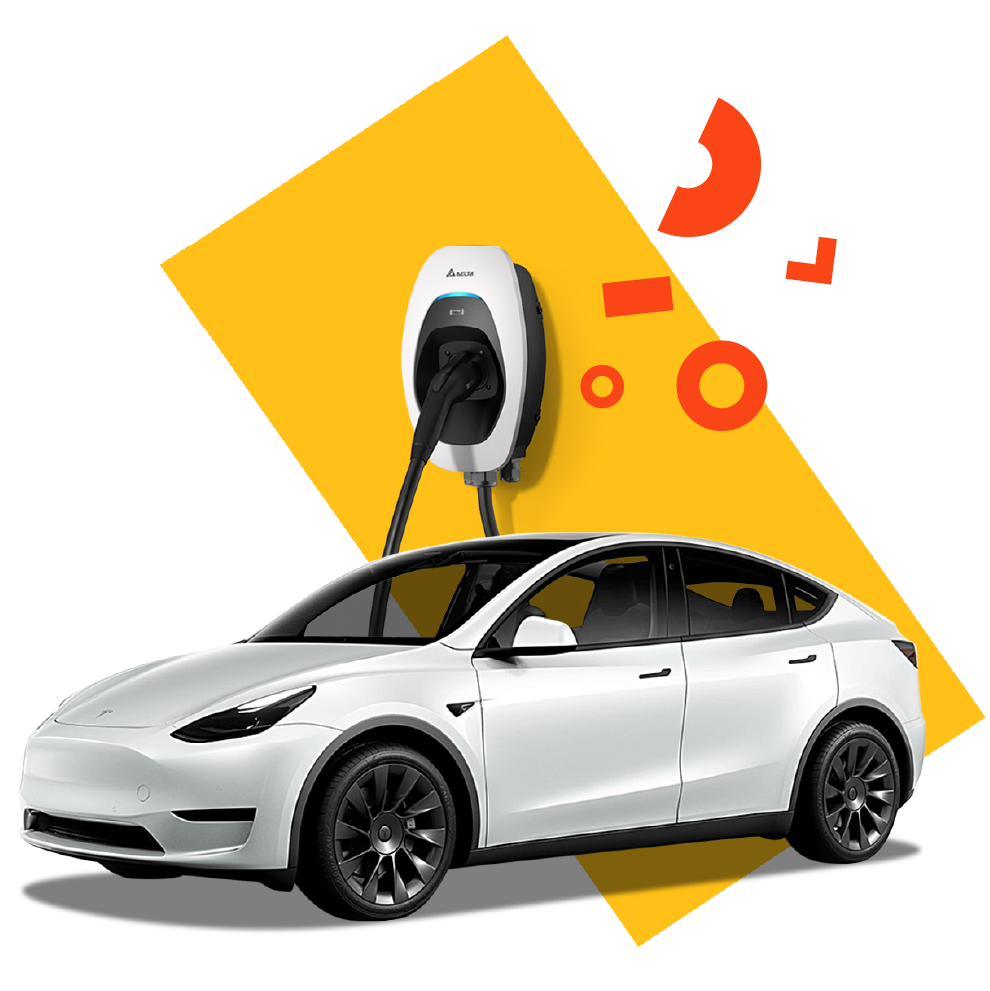
Electric vehicles, often shortened to ‘EVs’, are cars that are powered by electricity through rechargeable batteries. Some EV batteries need to be recharged by an external source, such as at public charging stations or even an ordinary power outlet at home, depending on your usage, driving range, EV model and the EV’s battery.
With electric motors rather than, or in addition to, internal combustion engines, EVs are becoming more popular as technology advances, costs reduce, and focus strengthens on renewable energy sources.
Overall, there are three main types of EVs available to buy in Australia:
- Battery Electric Vehicles (BEV): Run fully on electricity with large rechargeable batteries for power – for example, Telsa Model 3 or Nissan Leaf
- Plug-in Hybrid Electric Vehicles (PHEV): Use both batteries and fuel, with its batteries needing to be recharged externally – for example, BYD Sealion 6 or Mitsubishi Outlander PHEV
- Hybrid Electric Vehicles (HEV): Use both batteries and fuel, but doesn’t need to be charged externally. Instead, energy is generated as you drive and is stored in the EV’s batteries – for example, Toyota RAV4 or GWM Haval H6
There are also Fuel Cell Electric Vehicles (FCEVs) which use hydrogen fuel cells to power the EV’s motor, however this type of EV is generally not available to buy yet in Australia.
Benefits and Considerations
There’s lots of things to like about EVs, but it’s good to understand some challenges that could be faced if you decide to buy one.
Of course, the environmental impact of an EV is much lower than a traditional fuel-powered car, with EVs producing less greenhouse gas emissions and therefore reducing car-related air pollution.
Whether BEV, PHEV or HEV, electric vehicles also mostly run on electricity, which reduces dependency on non-renewable energy sources such as fossil fuels. You could also be eligible to access government rebates, such as discounts on your EVs’ registration fees.
A key consideration for new EV owners is getting used to a new way to power your car rather than filling up at your local petrol station. This can include understanding charging, where to charge, and how far you can drive (battery range). EVs are also generally slightly more expensive than fuel-powered cars, although EV prices are decreasing as new models are released and technology becomes more advanced.
Looking for an EV?
We can help! We’ve partnered with leading brands such as Tesla, Polestar and BYD to ensure access to the latest EVs – there’s over 30 vehicle models available through our salary packaging and business leasing services.