Embedding Smarter Energy into Tomorrow’s Developments
12 Jun 2025
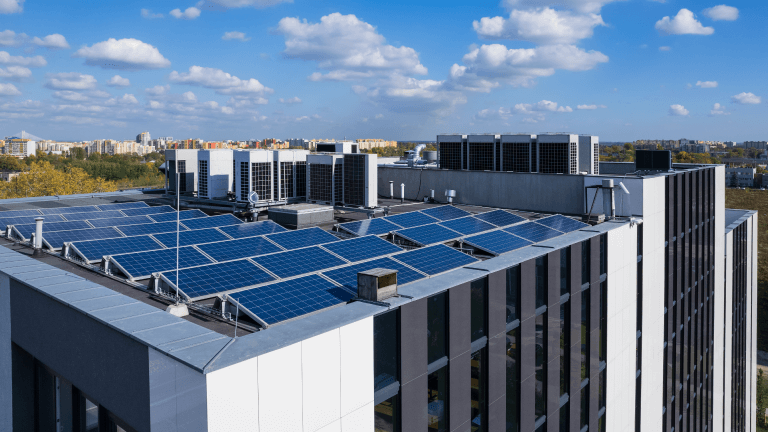
How early energy planning helps developers reduce costs, lower emissions, and build energy resilience.
When it comes to new developments, energy is no longer just an operational cost — it’s a strategic design choice.
Forward-thinking developers and property owners are embedding solar, storage and flexibility into their projects from the ground up, turning traditional precincts into energy-active ecosystems. The payoff? Lower energy costs, stronger asset value, and access to new revenue streams from day one.
From Passive to Energy-Active Precincts
While rooftop solar is becoming increasingly common, the real value comes when energy assets are planned and integrated early. Instead of a bolt-on system, some future-focused property developers are working with Origin Zero to design precincts that are built for long-term performance and flexibility.
For example:
- Manufacturing precincts:
Early-stage energy modelling across systems like refrigeration, compressed air, steam and hot water is proving important to optimise both on-site generation and potential grid participation. By designing solar and battery systems in tandem with load profiles, developers can improve energy efficiency and operational resilience from day one. - Retail centres: Designing commercial precincts to become energy-active can involve optimising embedded networks with rooftop solar, batteries, EV charging infrastructure and Virtual Power Plant (VPP) integration. Projects show that combining onsite energy consumption with participation in grid services can help precincts manage peak demand, reduce costs, and contribute to a more flexible energy system.
Retrofitting existing properties
Not every project starts with a blank canvas. Many property owners are retrofitting existing sites to unlock the benefits of smarter energy systems. Upgrades like rooftop solar, batteries, EV charging and embedded networks can turn traditional buildings into energy-active assets.
- Low or no upfront investment
EaaS helps shift projects off balance sheet, freeing up capital for core business priorities. - Faster project implementation
EaaS helps de-risk the path to electrification and makes more energy-efficient technologies accessible to businesses without delay. - Reduced risk exposure
Your energy partner designs, delivers, operates and maintains the assets — alleviating the hassles of managing complex technology or operational overheads. - Built-in flexibility
EaaS can incorporate demand response or batteries to help you save more and support grid stability.
What It Takes to Design Smarter Energy Systems
To get energy right, planning needs to start early — and cover more than just solar panels.
Key considerations include:
- Modelling load profiles and designing generation assets in tandem
- Sizing solar and batteries for market participation as well as self-sufficiency
- Enrolling assets into VPPs for grid services
- Planning for future electrification of vehicles, HVAC, and industrial plant
The commercial upside of smarter energy:
Australia’s energy system is evolving rapidly. By embedding energy into the design or retrofit process, developers and property owners can deliver projects that are more cost-effective, resilient and attractive to the market
The benefits include:
- Lower energy costs and reduced exposure to volatile energy markets
- Improved tenant appeal, attracting occupants who value lower operating costs
- Greater operational resilience to support critical functions and adapt to a dynamic energy system
- New revenue streams from VPP and grid participation
- Enhanced long-term property value and yields supported by efficient, future-ready infrastructure
- Access to funding and incentives tied to decarbonisation and energy performance
For both new builds and retrofits, designing with smarter, more flexible energy solutions makes strategic sense — embedding smarter energy is a way to differentiate assets and deliver long-term value.
The role of energy partners
Designing energy-active precincts requires more than technology. It takes expertise across engineering, regulation and market strategy.
“Early-stage energy planning is becoming a key part of project design,” says Liam McWhirter, General Manager Strategic and Enterprise Partners at Origin.
“Developers want solutions that are both technically sound and commercially practical, while equipping their precincts for the evolving decentralised grid.”
Partner with Origin Zero
Whether it’s a shopping centre, industrial facility, or mixed-use business park, Origin Zero helps developers design energy systems that deliver from day one — and adapt for decades to come.