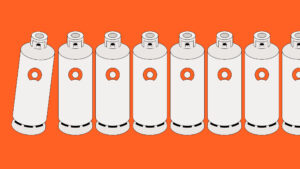
In their natural state, both natural gas and liquefied petroleum gas (LPG) are colourless and odourless. If they leak into the air, you can’t see them and you can’t smell them. That makes them hard to detect and potentially dangerous, because gas is highly flammable and can build up in enclosed spaces.
The idea of giving gas a smell dates back to the 1880s, when a German chemist named Julius von Quaglio suggested adding a strong-smelling chemical to make leaks easier to notice. The concept was simple. If gas smells bad enough, people will investigate it instead of ignoring it.
Widespread use of odourised gas followed a tragic turning point in 1937, when a natural gas leak went undetected at a school in the United States. The gas built up beneath the building and ignited, causing an explosion that claimed hundreds of lives. After that, laws were introduced to require gas to be odourised so leaks could be detected by smell before they became dangerous.
In Australia, odourants were introduced as homes and industry converted to natural gas from the 1960s onwards, when large-scale gas networks began rolling out across the country. Today, gas is typically treated with sulphur-based chemicals called mercaptans. These are what give gas its familiar rotten egg or sulphurous smell.
The reason the smell is so unpleasant comes down to human behaviour as much as chemistry. If gas smelled like food, flowers or cleaning products, people might brush it off or get used to it. Safety experts wanted a scent that triggers an immediate “something’s wrong” reaction, even if you’re half asleep.
A warning smell
Australian standards require gas to be odourised so it’s readily detectable by a person with a normal sense of smell well before it reaches dangerous levels. In simple terms, your nose should alert you long before gas becomes a serious hazard. However, not everyone can reliably detect odourant by smell, including people with a reduced sense of smell, so it’s important to also rely on appliance safety features and regular maintenance.
If you ever smell gas, take it seriously. Turn off your appliances and gas cylinders, open doors and windows, avoid flames and electrical devices, and contact your gas suppliers’ emergency hotline. For Origin customers our 24-hour LPG hotline is 1800 808 526 or call 000. For potential natural gas leaks, phone your gas distributors emergency hotline. You can find your local natural gas distributor here.
Safety that’s part of the service
That unpleasant smell might not be welcome, but it’s there for a reason. It’s a small detail that helps protect homes, farms and businesses every day.
At Origin, we supply LPG to customers across Australia, and safety is always part of the service. If you’d like to learn more about LPG supply or safe use, our team is ready to help.