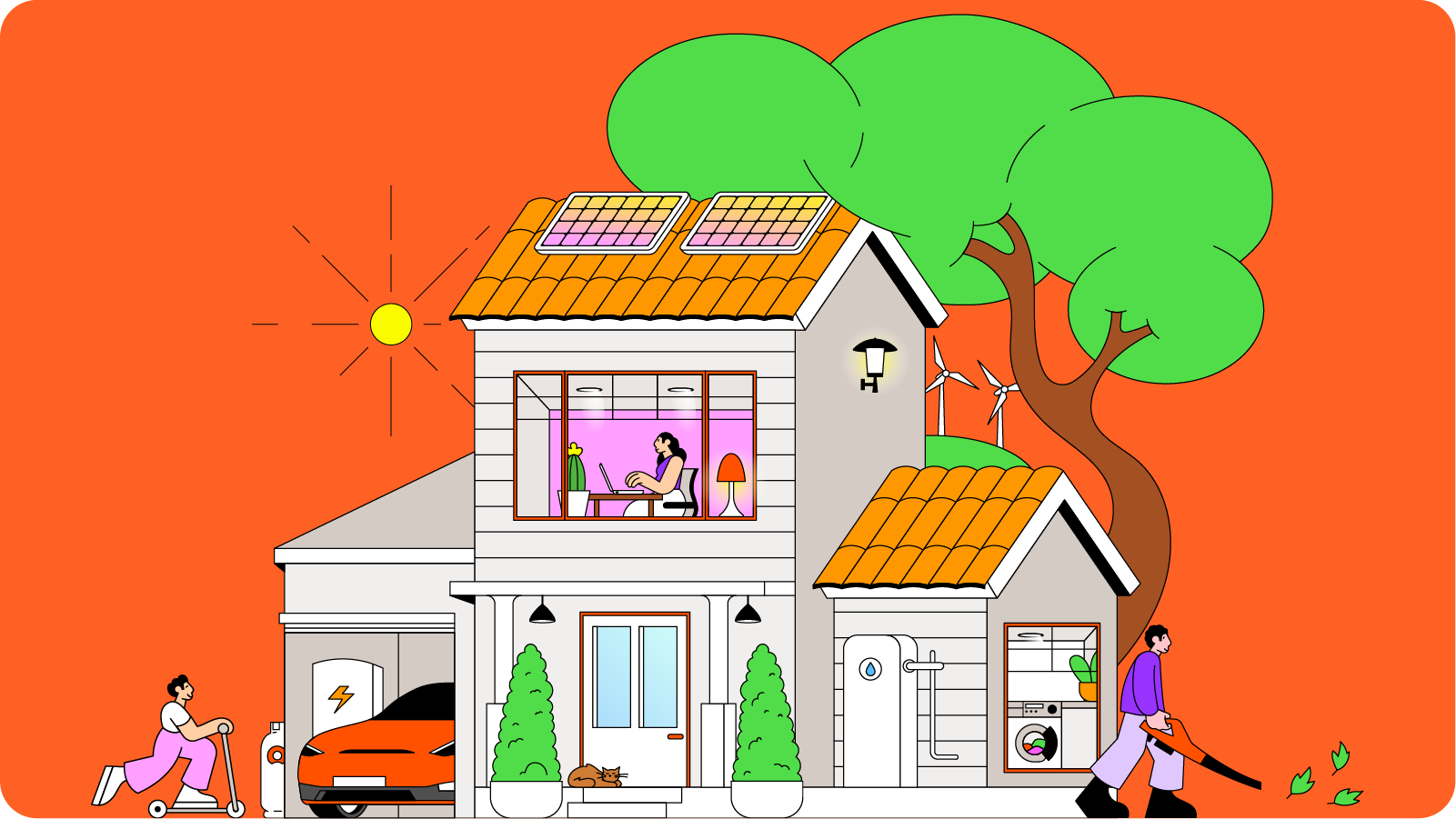
Is the kitchen really the heart of the home, or is it the loungeroom? Maybe the bedroom? We’re on a quest to find out where the heart of the home really is, and while we’re at it – we’re uncovering the best tips, tricks and design hacks to help make your home more energy efficient and bring your energy bills down.
Season three of our So Watt? podcast is here. It’s the podcast that questions everything you thought you knew about energy. And this season, we’re exploring how you can save energy in every room of the house with our new financially-savvy host Emma Edwards from The Broke Generation. Emma’s a financial content creator and an expert in money psychology and behaviour.
And you’re just in time to take a tour of the typical Aussie home with Emma and find out where the heart of it really is…
The best bits up front
From draught proofing and insulation to solar and doing your research before buying new appliances – here’s some tips to maximise your energy savings and boost the liveability of your home.
Research before you buy
Spending a bit more on an energy-efficient appliance could save you money on energy bills in the long run. Whether it’s upgrading your washing machine, choosing an air-conditioner, or finally joining the legion of air-fryer fans – do your research first.
Become a fan of fans
Ceiling fans are designed with features that make them useful in cold and warm climates. A bit of a hidden fact is that many ceiling fans are reversible. Just flick the switch on your ceiling fan and it reverses, pushing warm air down.
Tools up!
There are plenty of clever tools that can help you become more energy efficient.
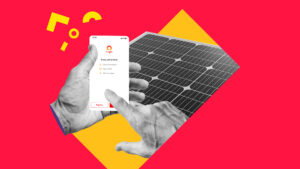
First up, energy monitors. If you’re an Origin customer with a smart meter, you can use our mobile app to track how much energy you’re using on an hourly or daily basis, and how much it costs. If you don’t have a smart meter, many smart plugs now come with energy monitoring capabilities. Simply plug them in, connect them to the smartphone app and start monitoring.
See if your energy provider offers an energy-savings rewards program – like Spike, which rewards members for meeting energy-saving goals during peak demand periods (we call these SpikeHours). During a SpikeHour, households are challenged to reduce their energy use by making simple tweaks to their energy habits – like turning off the heating or cooling, delaying a load of washing or even flicking off the telly. In addition to reducing their energy bills during this time, if members meet their SpikeHour target, they’re rewarded (stay tuned as our Spike program is going through a refresh).
Curious about how much you could save if you installed solar? Our handy tool can show you t recommended solar system sizes, potential bill savings, and more. It’s free and without obligation+.
Seal the deal
If you’re renovating or building a new home, install insulation in the ceiling, walls, and under the floors. Ceiling insulation alone will absorb or reflect between 30-45 per cent of outdoor heat. And be sure to reduce gaps in insulation to minimise heat gain and loss.
And if you’re not doing a big renovation or you’re renting, try taping some bubble wrap on your windows and glass doors – it’s like temporary double glazing. Door snakes, and curtains and blinds also help to prevent heat gain and loss.
Make the switch to electric
If you’re electrifying your home (opting for an induction cooktop, electric heating, electric hot water, an electric vehicle) or your home is already kitted out with electrical appliances, consider installing a solar system. If you use a lot of power during the day, the benefits of solar really stack up. And if you want to store excess solar energy to use later, consider installing a battery.
Now picture an electric vehicle (EV), solar system, solar battery, smart appliances – all connected to improve your energy efficiency by maximising solar energy during the day, and minimising energy use during peak periods when wholesale prices are higher in the energy grid.
To take it even further, some EVs can even work as a battery – meaning you can use your EV to power your home and send energy back to the grid. This emerging technology is known as vehicle-to-grid or vehicle-to-home charging – and it’s coming to Australia soon.
Keen to tune in?
Season three of So Watt? is all about making smart energy efficient choices in every room of the house.
We’re helping listeners across Australia become more energy savvy through simple (or bigger) tweaks to their energy habits.
Whether you own or rent, live in an apartment or a house, in the city or country – even if you think the heart of the home is the bathroom – we’re on a mission to help create more energy-efficient spaces at home, and help you save money.
Tune into the latest episodes of So Watt? wherever you get your podcasts. And be sure to hit that follow button, so you’ll be the first to know when new episodes drop.
Hungry for more? Catch up on season one and season two.
+ Origin has a commercial agreement with our partner installers and receives a commission from them for each referral.