What is an electrified home?
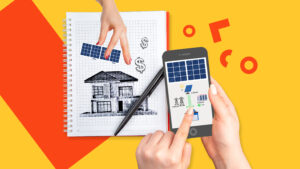
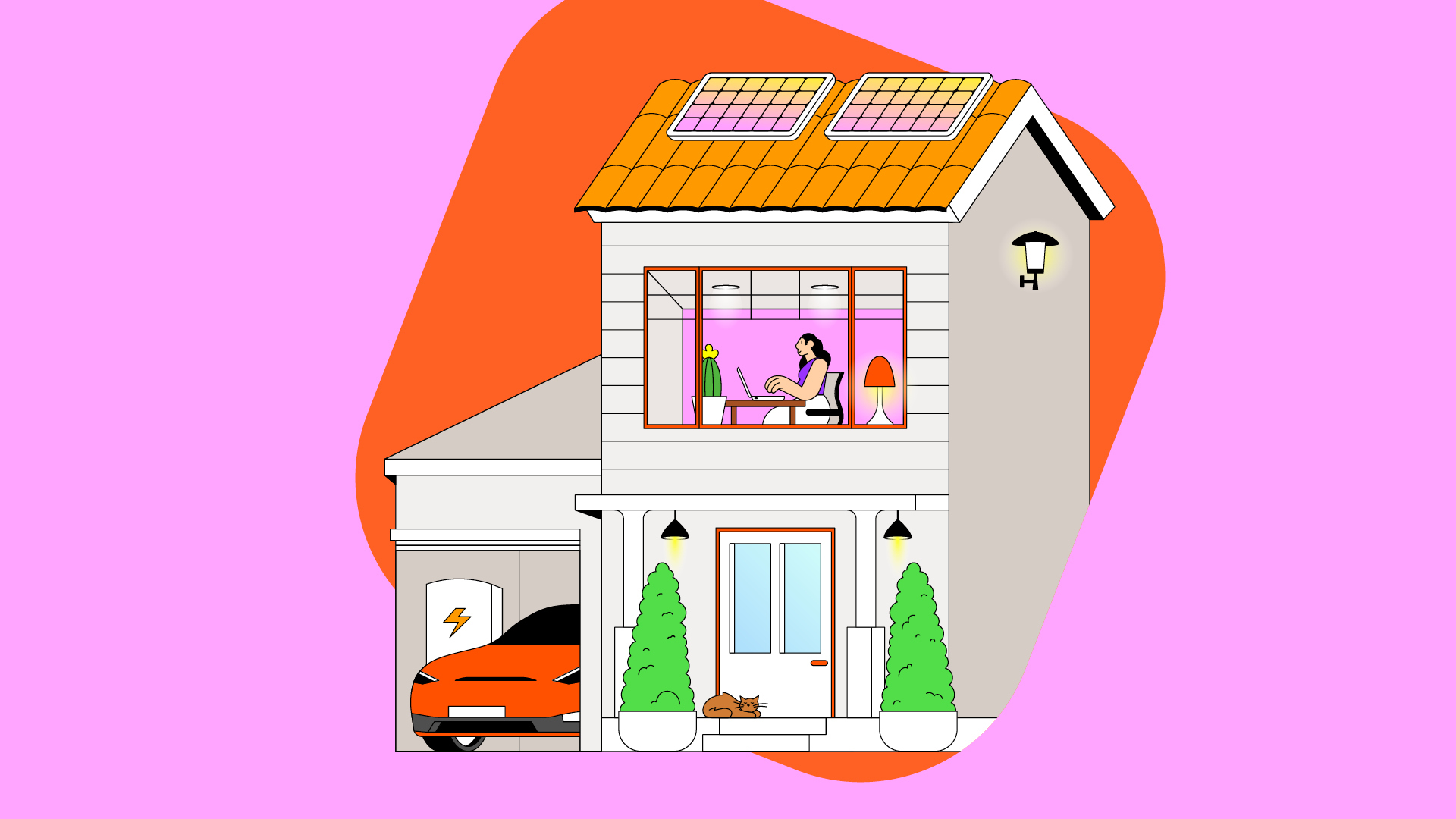
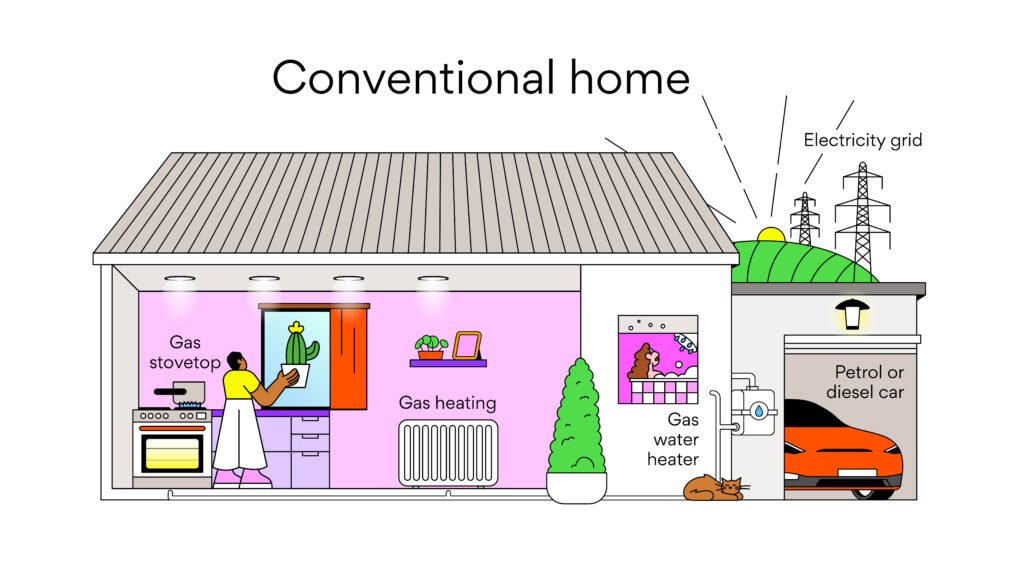
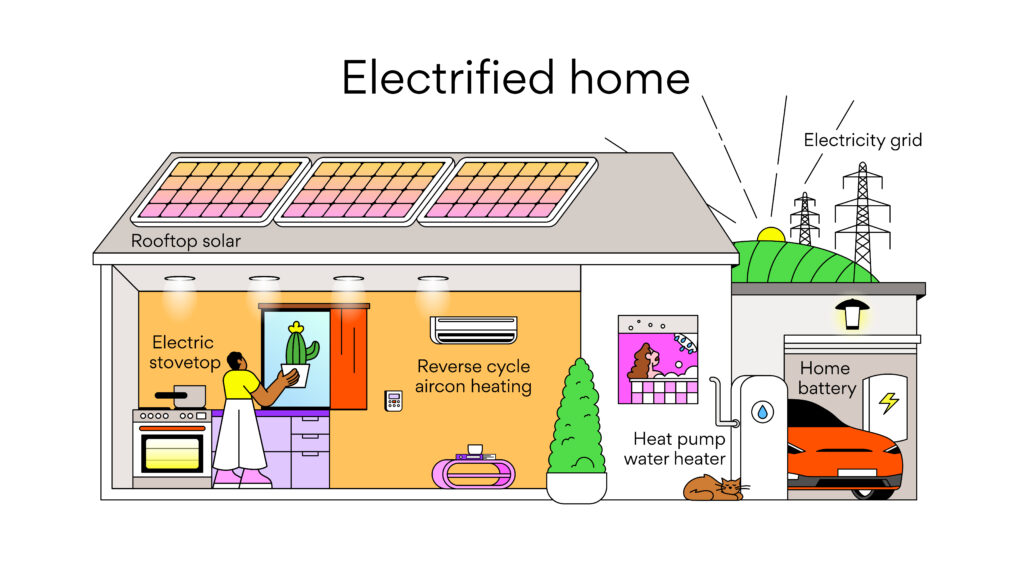
In its simplest form, an electrified home is one that has no reliance on natural gas – just electricity. Making the switch to all-electric appliances could help you save on energy bills, and make the most of solar (whether you already have rooftop solar panels or are thinking about it), and can also reduce your home’s carbon footprint if you’re able to take advantage of electricity sourced from renewables. So, if your home’s stove, hot water system or heating runs on natural gas, it may be worth considering electric when your appliances reach the end of their life.
When is an ideal time to consider electrification?
Building or renovating is a prime time to consider all-electric systems and appliances. While energy-efficient electrical appliances may cost more upfront, over their lifetime they often have lower running costs over time. And if your new home has rooftop solar, the savings could be even greater, as the real benefit of solar comes from using the energy you’re generating first, rather than feeding it back into the grid.
Do I need solar to electrify my home?
Whilst rooftop solar is a great way to help increase the green credentials of your home, and help bring your energy bills down, it’s not a requirement when making the switch to electrification. The great thing about starting the electrification journey is you can start anywhere – you can make the jump straight to a home battery and solar system, you can opt for a hot water heat pump, or you can even look at changing out your gas cooktop for an induction one.
How much will it cost to electrify my home?
Costs will vary depending on which natural gas appliances you currently have, as well as your style and personal goals. For example, let’s take a look in the kitchen. Many brands now offer induction cook-tops in a range of sizes, designs and price-points. The technology is fast, simple to control, safe – and easier to clean than gas cook-tops (a huge plus).
It’s important to remember that electrifying your home is an investment that should continue to provide benefits over the long term.
What if I rent?
If you rent, your options may be more limited but there are still steps you can take to electrify your home and improve its energy-efficiency. Smart devices in particular are a great way to automate saving energy. You can leverage smart plugs to switch off devices when not in use (saving you on standby power), track your energy usage through your energy retailer’s app, invest in smart power boards and even upgrade your lighting.
If you have a good relationship with your property manager or landlord, it may be worth floating the idea of electrifying the property. Energy efficiency upgrades may be subsidised (as well as tax deductible) and upgrades to the property could also be beneficial to the value of the property long term.
What are the perks of electrification if I have an EV?
If you own an EV, or are in the market for one, electrifying your home should be on your radar. Whilst you may no longer have to pay for fuel, charging your EV still comes at a cost – but if your home has rooftop solar, charging your car during the day whilst you’re generating solar power, is a great way to offset the electricity costs.
If you prefer to charge at night, adding a battery to your setup is a great option, as it allows you to utilise the power you’ve generated as opposed to it being fed back into the grid. You’ll also have an added layer of reliability during power outages or weather events.
If you’re not yet in the market for a solar home battery, there are still ways to access lower cost charging options for your EV. Check whether your energy provider offers an EV charging product – like Origin EV Power Up which charges your car when energy is cheaper and there’s more renewables in the grid.
How much could I save by going all-electric?
Energy Victoria estimates that, for a home with solar panels, making the switch from gas to electricity could save you around $2,000 on your energy bills per year. This is in addition to approximately $740 of savings per year from an existing 6.6kW solar system.
If you don’t have solar, there are still savings to be had by upgrading to energy-efficient appliances. In fact, two of the biggest energy users are heating and cooling (41% of home energy usage) and hot water (21%). Upgrading appliances as they approach the end of their life, to more energy-efficient electrical options, could result in savings on your energy bill – and allow you to take full advantage of your solar if/when you do invest in it.
If you’re building or moving into a new home, going all-electric could put around $880 per year back in your pocket (or approximately $1,820 with solar installed). A new Victorian detached home which has been built all-electric, will spend around $2,070 on energy bills compared to a new dual-fuel home which will spend around $2,950 on energy bills.
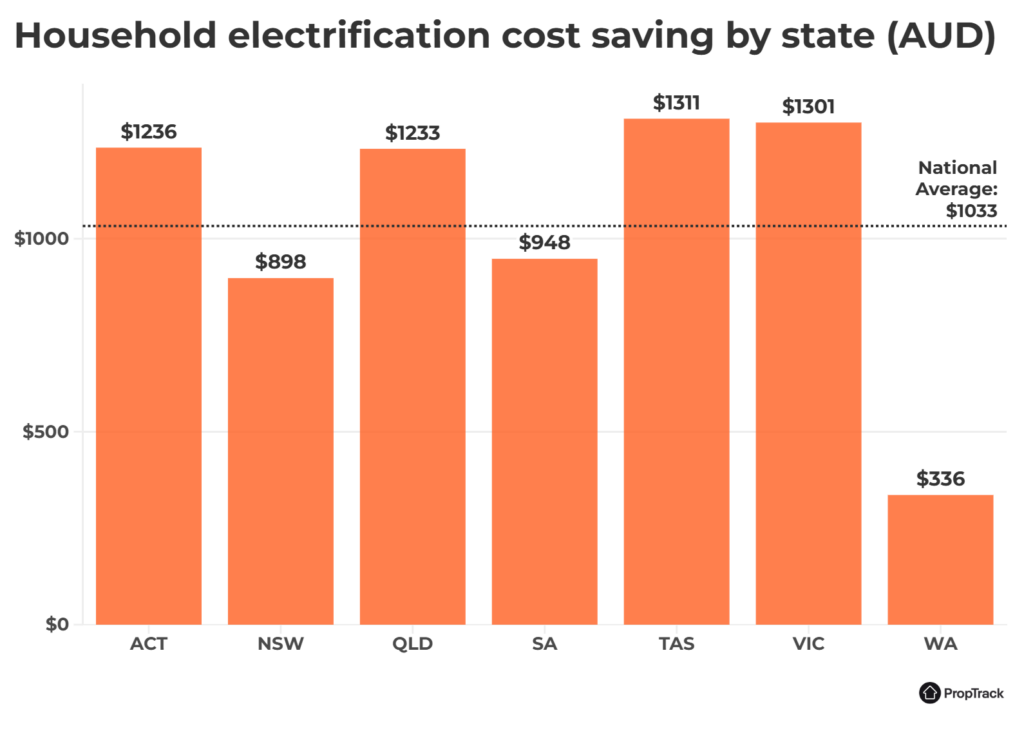
Savings snapshot: The Climate Council of Australia estimates the national average annual savings on energy bills for 1.5-Star homes is $1,033 by shifting gas appliances to all-electric and removing gas supply charge fees.
Where to start
Whether you’re building or renovating or looking for renter-friendly ways to electrify your home, our handy step-by-step electrification checklist can help you get started. Download it now.
Thinking about solar or a home battery?
We’ll help you on your way to energy independence with tools, info, access to quotes from our preferred partners and more.
Get up to 3 free solar or battery quotes in less than five minutes through our partner, SolarQuotes. With more than 10,000 five-star reviews and a network of over 550 qualified, trusted installers, join 800,000+ Aussies who have requested quotes from SolarQuotes.
+SolarQuotes is part of the Origin family, and Origin receives a commission from them for each referral.